Choosing the right fashion school is an important decision for anyone who wants to build a career in fashion.
With so many fashion schools and training programmes available across Nigeria, it can be difficult to know which one is the right fit for you. Should you focus on the cost? The duration? The instructors? The facilities? Or the type of skills you will gain?
The truth is, there is no single fashion school that is perfect for everyone. The right school is one that matches your goals, learning needs and career ambitions.
Whether you are a complete beginner, an aspiring fashion designer, or someone who wants to build a successful fashion business, here are some important factors to consider before enrolling.
1. Consider What the School Teaches
One of the first things to look at when choosing a fashion school is the curriculum.
Fashion education should go beyond simply learning how to operate a sewing machine. Depending on your career goals, you may need training in areas such as:
* Fashion design fundamentals
* Pattern making
* Garment construction
* Fabric selection and handling
* Finishing techniques
* Fashion illustration
* Design development
* Branding and marketing
* Fashion entrepreneurship
A strong curriculum gives you a broader understanding of the fashion industry and prepares you for more than just making individual garments.
2. Look at the Duration of the Programme
Fashion schools offer programmes of different lengths, from short intensive courses to more extensive programmes.
Before enrolling, think about what you want to achieve.
If you are looking for a quick introduction to fashion design, a short programme may be suitable. However, if you want to develop professional-level skills and build a long-term career, you may benefit from a more comprehensive programme.
The important thing is to choose a programme that gives you enough time to learn, practise and improve.
3. Prioritise Practical Training
Fashion is a practical industry.
Reading about garment construction is not the same as actually cutting fabric, operating a machine, constructing a garment and learning how to correct mistakes.
When comparing fashion schools, ask yourself:
How much practical experience will I get?
Look for a school where students are given opportunities to practise what they learn and work on real garments and projects.
Hands-on training can help you develop confidence, accuracy and problem-solving skills.
4. Pay Attention to the Instructors
Your instructors can have a major impact on your development as a fashion student.
Look for a school where instructors can demonstrate techniques clearly, provide corrections and guide you through the learning process.
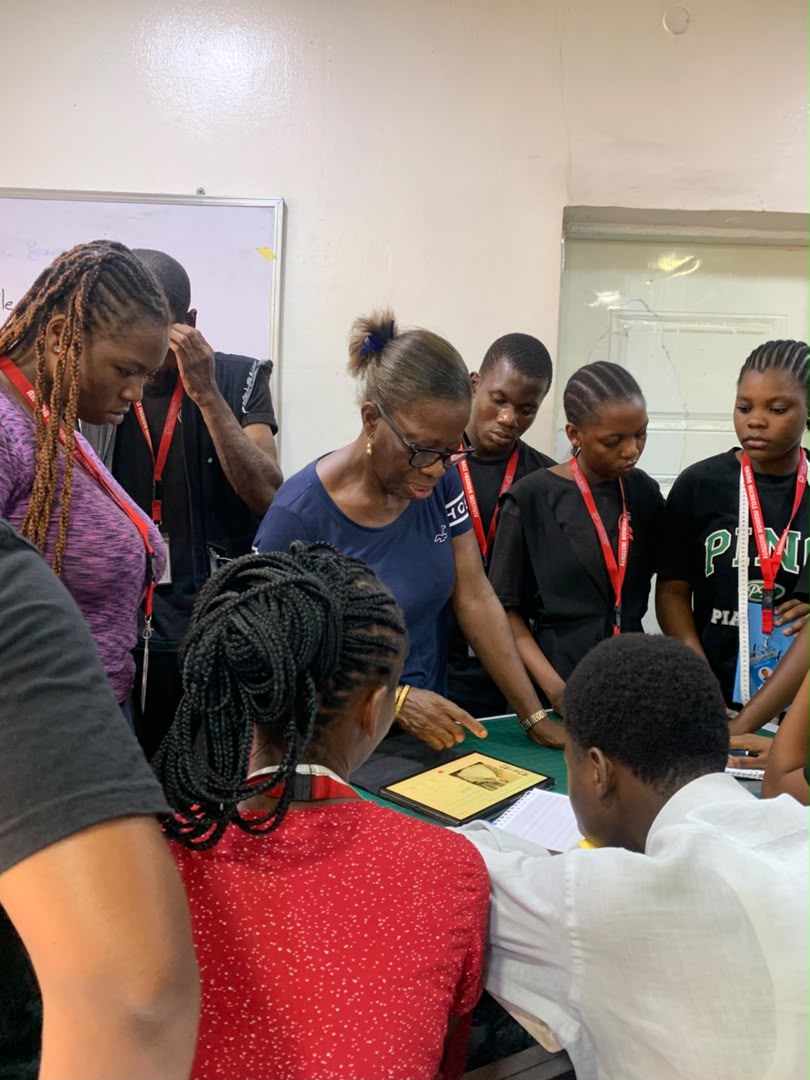
A good learning environment should also allow students to ask questions, share ideas and receive constructive feedback.
At RMFI, student collaboration and feedback are part of the school experience, helping students develop their ideas and bring their potential to life.
5. Visit the School and Check the Facilities
Before making your final decision, consider visiting the school.
A physical visit allows you to see the learning environment for yourself and ask questions about the facilities and equipment available to students.
Pay attention to:
* The classroom environment
* Sewing equipment
* Workspaces
* Learning resources
* Student projects
* General organisation of the school
You want to learn in an environment where you can focus, practise and develop your skills.
6. Find Out If the School Teaches Fashion Business
If your dream is to start your own fashion brand, learning how to make clothes is only one part of the journey.
You also need to understand the business side of fashion.
This can include:
* Branding
* Marketing
* Pricing
* Customer service
* Production
* Business management
* Building a fashion brand
RMFI places emphasis on combining fashion skills with business knowledge, with its programmes covering areas such as fashion marketing, branding and business management.
This approach is particularly valuable for students who want to become fashion entrepreneurs rather than simply acquire sewing skills.
7. Look at the School’s Student Work
Before choosing a fashion school, take some time to look at the work produced by its students.
Check the school’s website and social media platforms. Look at student projects, fashion shows, exhibitions, graduation collections and completed garments.
Ask yourself:
Does the quality of the students’ work reflect the level of training I want to receive?
Student work can give you an idea of what you may be able to achieve with the right training, practice and commitment.
8. Consider the Cost of Training
Cost is naturally an important consideration when choosing a fashion school.
However, don’t make your decision based only on which school has the lowest fee.
Instead, consider the overall value of the programme.
Find out what is included in the tuition and whether there are additional costs for materials, equipment, uniforms, examinations or other requirements.
A good investment is one that gives you valuable skills and knowledge that you can continue to use long after completing your training.
9. Think About Your Career Goals
Before enrolling, ask yourself an important question:
What do I actually want to do with fashion?
You might want to:
* Become a fashion designer
* Start a ready-to-wear brand
* Create a bespoke fashion business
* Work in a fashion house
* Become a pattern maker
* Work as a stylist
* Produce garments for clients
* Build a fashion business
* Develop your existing fashion skills
Knowing your destination makes it easier to choose the right training programme.
10. Don’t Be Afraid to Ask Questions
Never hesitate to ask questions before paying your fees.
Speak with the admissions or customer service team and ask about the programme, schedule, curriculum, learning environment and requirements.
You can ask:
What will I learn?
How much practical training is included?
Who will teach me?
What facilities are available?
How long is the programme?
What are the additional costs?
Does the programme cover fashion business?
Is the programme suitable for beginners?
Getting clear answers can help you make a more informed decision.
Why Choose Rhoda Michaels Fashion Institute?
At Rhoda Michaels Fashion Institute (RMFI), we believe fashion education should prepare students for the real world.
Our approach combines practical fashion training with the knowledge needed to understand the business side of the industry.
From fashion design fundamentals and pattern making to garment construction, textiles, marketing, branding and business management, RMFI’s programmes are designed to help aspiring fashion designers and creative entrepreneurs develop practical skills for their careers.
Our goal is simple:
Build a fashion business, not just sewing skills.
Whether you are starting from scratch or looking to take your existing skills to the next level, the right training environment can help you develop the confidence and skills needed to move forward.
Your Fashion Journey Starts With the Right Foundation
Choosing a fashion school is an investment in your future.
Don’t choose a school simply because it is popular or because its fees are cheap. Look at the curriculum, practical training, instructors, facilities, learning environment and opportunities for growth.
Most importantly, choose a school that aligns with the kind of fashion career you want to build.
If you’re ready to take the next step, explore the programmes available at Rhoda Michaels Fashion Institute and start building the skills you need for your fashion journey.
Ready to Start Your Fashion Journey?
Turn your passion for fashion into practical skills and a career.
ENROL AT RHODA MICHAELS FASHION INSTITUTE TODAY!!!
CONTACT: 08113110011, 08113220022.